How to Combine a Zanzibar Beach Stay with a Serengeti Safari
@myzanzibarflysafariscope
November 8, 2026 · 7 min read
Many travelers dream of experiencing the wildlife of the Serengeti but also want the relaxation of a tropical beach. Zanzibar, with its white sand and turquoise waters, offers that beach escape. The challenge has always been distance: the Serengeti is a long way from the Zanzibar coast. Driving from the island to the mainland and then across Tanzania to the park eats up days. That is where a fly-in safari becomes the practical solution. By flying directly from Zanzibar to the Serengeti, you skip the long road transfer and gain more time for game drives and beach time.
What a Fly-In Safari Means in Practice
A fly-in safari replaces the long drive from the coast to the inland parks with a short scheduled or charter flight. For someone based in Zanzibar, this typically means a morning flight from Zanzibar Airport to one of the airstrips inside or near Serengeti National Park. The flight takes around two hours, compared with a full day of driving plus ferry crossings. Once you land, a guide meets you and transfers you to your camp or lodge. You spend two or three days on game drives, then fly back to Zanzibar. The whole package is often called a Zanzibar fly-in safari because it lets you keep your base on the island while exploring the mainland parks.
Why Pair Zanzibar with the Serengeti
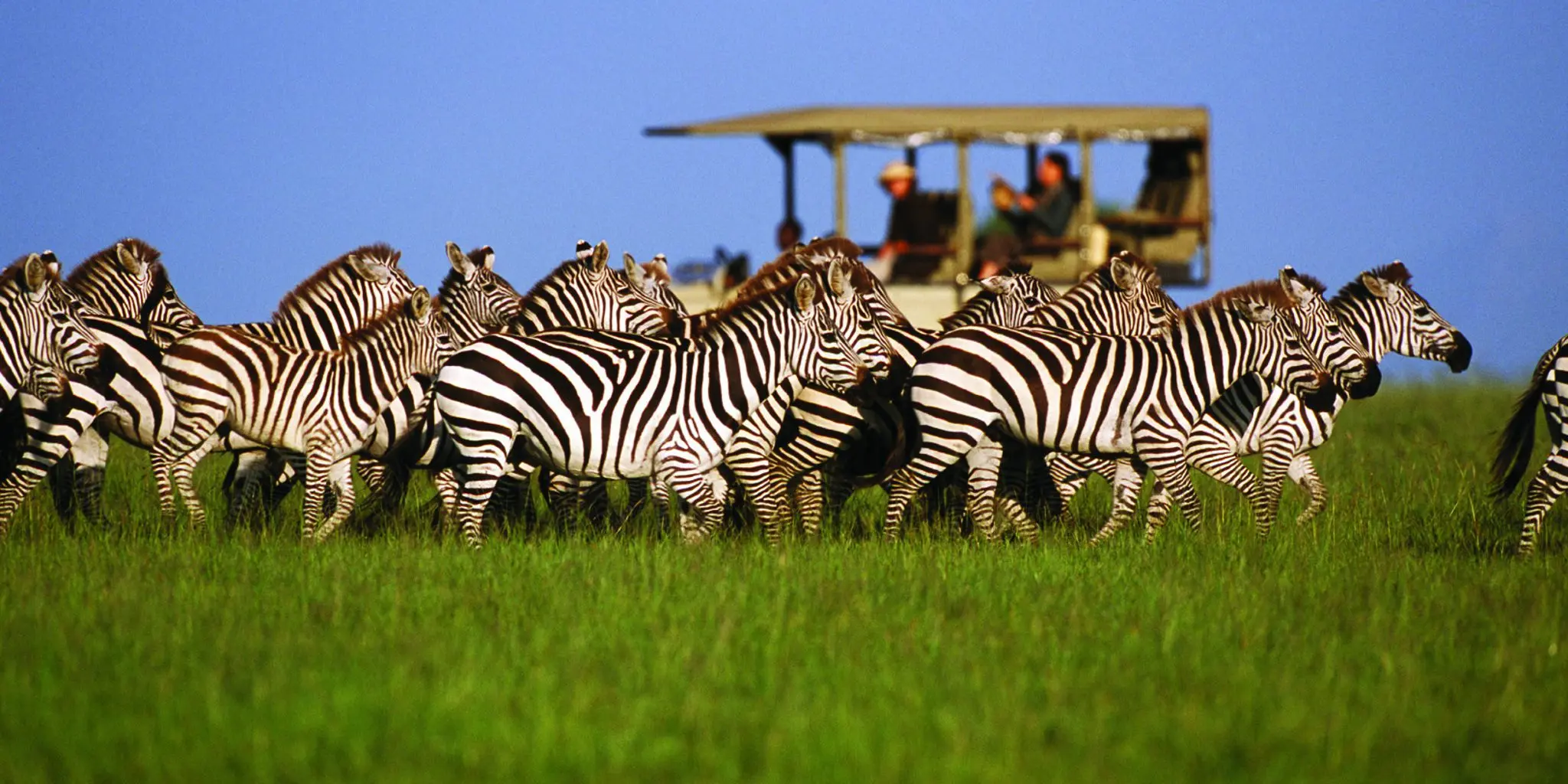
Zanzibar itself has no big game. It has monkeys, some antelope, and a rich marine environment, but no lions or elephants. If you want the classic African safari experience, you must go to the mainland. The Serengeti is the obvious choice: it is one of the most famous wildlife reserves on the planet, home to the wildebeest migration, big cats, and an extraordinary density of plains game. By staying on Zanzibar before or after the safari leg, you get two distinct holidays in one trip. You can snorkel, dive, or simply lounge on the beach, then fly inland for a few days of intense wildlife watching. The contrast is part of the appeal: one morning you watch a lion hunt, the next you swim in warm Indian Ocean water.
The Migration and Seasonal Timing
The wildebeest migration is a year-round cycle, but its location within the Serengeti ecosystem shifts with the rains. From around July to October, the herds cross the Mara River in the northern Serengeti. From December to March, they calve in the southern Serengeti and Ngorongoro Crater area. A well-planned Zanzibar fly-in safari takes this into account. Your pilot and guide will know which airstrip is closest to the action for your travel dates. If you are flexible on timing, you can book a tailor-made safari that aligns with the migration phase you most want to see. The dry season (June to October) offers better wildlife viewing because animals gather around water sources. The green season brings lush scenery and fewer crowds.

How the Flight Works
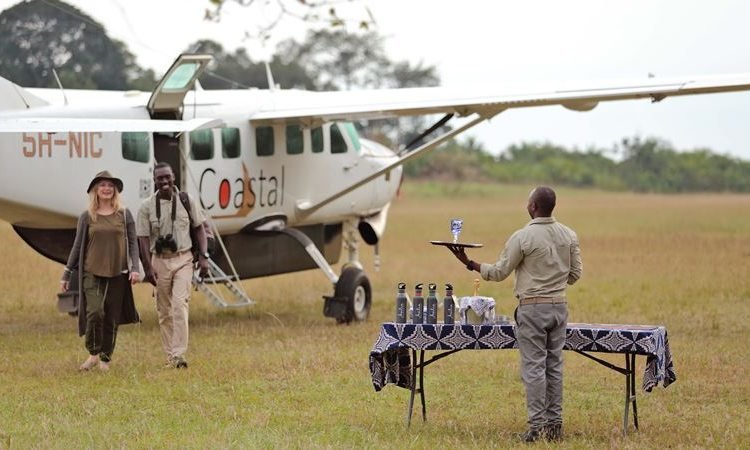
The flights are usually operated by small charter airlines that serve the safari circuit. You check in at Zanzibar Airport like any other flight. The aircraft is typically a turboprop, such as a Cessna Caravan or a Twin Otter, which can land on the short dirt airstrips inside the park. Luggage is limited to soft bags because of space constraints. Weight and balance are strict, so you cannot pack heavy suitcases. Most operators allow one bag per person plus a daypack. Your safari company will tell you the exact limits when you book.
The flight itself is scenic. You climb out over the Zanzibar channel, cross the mainland coast near Dar es Salaam, and then fly over the dry savannah of central Tanzania. You might see herds from the air if you look out the window. The landing at an airstrip like Seronera or Kogatende is a short bumpy roll on a gravel strip. From there, a vehicle takes you to your accommodation.
What to Expect on the Safari Portion
Most fly-in safaris include two full days of game drives plus the arrival and departure days. That gives you four game drives in total, which is enough to see a good cross-section of wildlife. The guides are professional and know where to find predators and the migration herds. You will go out early in the morning when animals are active and again in the late afternoon as the heat fades. Midday is usually spent at camp, resting or eating.
The Serengeti is vast and varied. The central Seronera area has reliable water and good year-round game. The northern corridor near the Mara River is more remote but offers the river crossing spectacle during migration season. The southern plains near Ndutu and the Ngorongoro Crater rim have open grasslands where cheetahs hunt. A good operator will match the itinerary to the season.
Accommodation Options
You can choose between permanent lodges and mobile tented camps. Lodges offer solid walls, en-suite bathrooms, and often a pool. Tented camps give a more immersive bush experience, with canvas walls and the sound of the wild at night. Both provide full board, guided drives, and sundowners. For a short stay, the comfort level matters less than the guide quality. Ask about the guide-to-guest ratio and whether the vehicle is open-topped for photography.
Packing and Practical Tips
Since luggage is limited on the flight, pack light. Bring neutral-coloured clothing for game drives, a warm layer for chilly mornings, a sun hat, and binoculars. For the Zanzibar part, add swimwear and light cotton clothes. Do not forget insect repellent, sunscreen, and any personal medications. The safari portion is dry and dusty, so a dust mask or bandana can help on game drives.
- Check your visa requirements: Tanzania requires a visa for many nationalities, but you can apply online in advance.
- Travel insurance should cover both beach activities and a light aircraft flight.
- If you are prone to motion sickness, consider medication for the flight and for bumpy game drives.
- Confirm what is included in the fly-in package: meals, park fees, guide, and transfers should all be listed.
- Ask about the luggage weight limit and whether soft bags are mandatory.
Is a Fly-In Safari Right for You?
The main advantage is time. You can do a meaningful safari in three or four days without spending two of them on the road. The trade-off is cost: charter flights are more expensive per person than a bus or shared transfer. But for many travellers, the saved time and reduced fatigue are worth the premium. Another benefit is that you avoid the long ferry crossing from Zanzibar to Dar es Salaam, which can be rough in bad weather. The flight is smooth and predictable.
The main drawback is the limited luggage and the early morning departure. You need to be at the airport by 6 or 7 a.m., so the last night on Zanzibar will be an early one. Also, the flight schedule is fixed; you cannot decide to stay an extra day in the Serengeti without rebooking the charter. That is why a tailor-made safari works best: the operator coordinates the flight, accommodation, and game drives into a seamless itinerary.
Combining Beach and Bush
A Zanzibar fly-in safari gives you both worlds without the stress of a long overland transfer. You can spend three nights on the beach, then fly to the Serengeti for two nights of game viewing, and return to Zanzibar for a final night before flying home. The flight itself becomes a memorable part of the journey, offering a bird’s-eye view of the African landscape. For anyone who wants to see the wildebeest migration or the big cats but also craves the calm of a beach holiday, this combination is hard to beat.
When planning, think about how many days you truly want on safari versus on the beach. Some travellers prefer a longer safari and a shorter beach stop, others the reverse. The flexibility of a fly-in arrangement means you can tailor the split to your interests. Just remember that the safari portion works best with at least two full days in the park. Less than that and you risk feeling rushed.
Final Thoughts
Flying from Zanzibar to the Serengeti is not the cheapest way to do a safari, but it is the most efficient for someone based on the island. It opens up the possibility of a combined wildlife and beach holiday that would otherwise require a much longer itinerary. The key is booking with a company that understands the logistics of these flights and the seasonal patterns of the park. A well-organized trip will have you watching elephants one afternoon and sipping a drink by the ocean the next. That kind of variety is what makes a Zanzibar fly-in safari such a compelling option for travellers who want to see two sides of Tanzania in one trip.